
by Liv Zhang
During Iowa’s 2026 gubernatorial race, a multitude of contested debates and issues arose. However, discussion over the stability of the state’s rural healthcare system faced a disproportionate amount of uncertainty and became a major issue in the governor’s race. This is because rural healthcare and hospitals are a lifeline for Iowa residents who live in rural communities, as according to the Rural Health Information Hub (RHIHub), nearly 1.23 million of Iowa’s residents live in non-metropolitan areas and thus are reliant on having hospitals in these areas. Rural communities have faced a myriad of issues, including unprecedented operational deficiencies. Additionally, the issue faces greater challenges and obstacles as candidates hold starkly different views and operational visions for the state’s public health system. Not only are rural hospitals now jeopardized by the preexisting financial strain, they still face a weary and unpredictable path, and one determined by the outcome of the election and what policy changes will be implemented.
According to the Center for Healthcare Quality and Payment Reform (CHQPR), a massive number of 20 out of only 93 rural hospitals in Iowa are predicted to close due to financial strain. Moreover, the CHQPR has listed 5 out of these 20 hospitals to be at an immediate risk of shutting down in just a mere two to three years. Particularly in 2025, changes made have had major ripple effects to the status that rural hospitals hold today. Back in July 2025, when signed into law, the Big Beautiful Bill had severe cuts to Iowa’s Medicare system, a safety net that many had relied on. To subsidize this rapid change, a $50 billion federal Rural Health Transformation Program (RHTP) was enacted, across the country, with Iowa being eligible to receive up to $1 billion dollars of funding throughout the course of five years, through the Healthy Hometowns program. However, Iowa was not able to allocate this money to areas they saw fit, but rather needed to submit it through a framework, now known as the Healthy Hometowns program, that was approved by the federal government. This also meant that the contingencies tied to federal money have real influence in how policy-makers spend the money, and thus placed an overarching system where the federal government is able to drive state decision-making. However, analysts of this bill state that this was more of a temporary fix, and when funds run out, the certainty of a safety net is lost again.
Democratic gubernatorial candidate Rob Sand has prioritized rural hospitals with a demand for the end of Iowa’s managed care organization (MCO) model where Medicaid is privatized, and the addition of a systemic overhaul implementation. A primary motivator to end this system is because there would be a drastic decrease in denials for coverage for patients. Currently, these arbitrary denials are a driving force in rural hospitals shutting down due to the patient visits contributing to the revenue that keeps rural hospitals alive. In a visit to a rural hospital in Van Buren County Hospital in Keosauqua, Sand stated, “One of the really important things that we can do to do that, as they said, was end the privatization of Medicaid,” Sand said. “It’s been a disaster, and that’s a big distinction at this point. I’ve been right here in Iowa watching it fail.” Sand has believed that this privatization has been one of the major factors that have contributed to access, or the lack thereof, to rural healthcare. In order to combat the financial stress for providers, a key component of why these hospitals face closures, Sand has pledged to revitalize state Medicaid reimbursement rates to help hospitals pay their staff competitive wages.
On the other hand, the Republican candidate Zach Lahn holds a different view with Lahn wanting to defend Iowa’s 7 billion dollar Medicaid system that is managed by the model of the MCO sector in Iowa. In an interview, Lahn stayed staunch in his position saying, “I don’t think the government would do a good job of delivering healthcare for the people of Iowa,” Lahn said. “I think that the private sector can do a great job delivering this, but the government has to hold them accountable. But, Lahn believes that AI tools should not be the systems utilized in the approval or denial of Medicaid coverage. Lahn believes that the private sector is much more efficient than the state in medical and healthcare assistance.
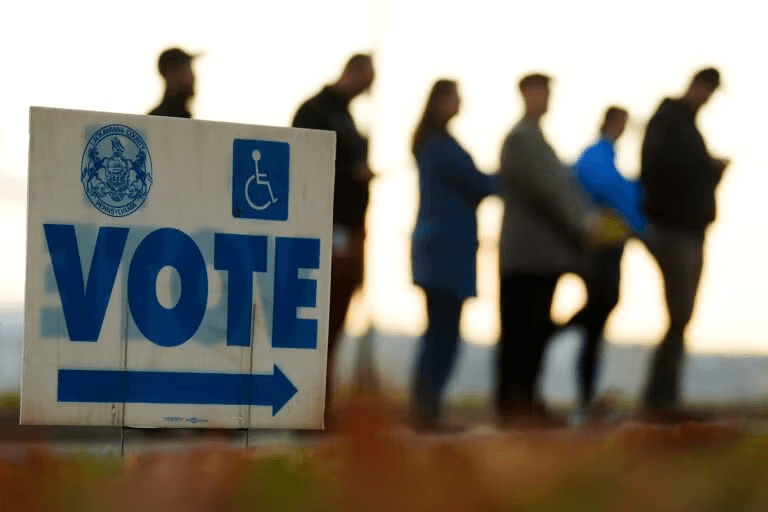
The outcome of Iowa’s governor election is sure to have a massive shift and impact on the current status of rural healthcare, no matter the outcome. The policy decision made on November 3rd will dictate whether the state or private companies will deliver the critical rural healthcare that so many Iowa residents are dependent upon. If Sand wins and successfully changes the framework of the management systems, rural hospitals may see relieved strain in the administration. If Lahn wins and the MCO framework is maintained, the future of rural hospitals will be dependent on his claims and promises actually working out. The outcome of this gubernatorial race ultimately dictates the future of Iowa’s already delicate and fragile system of a rural healthcare safety-net.