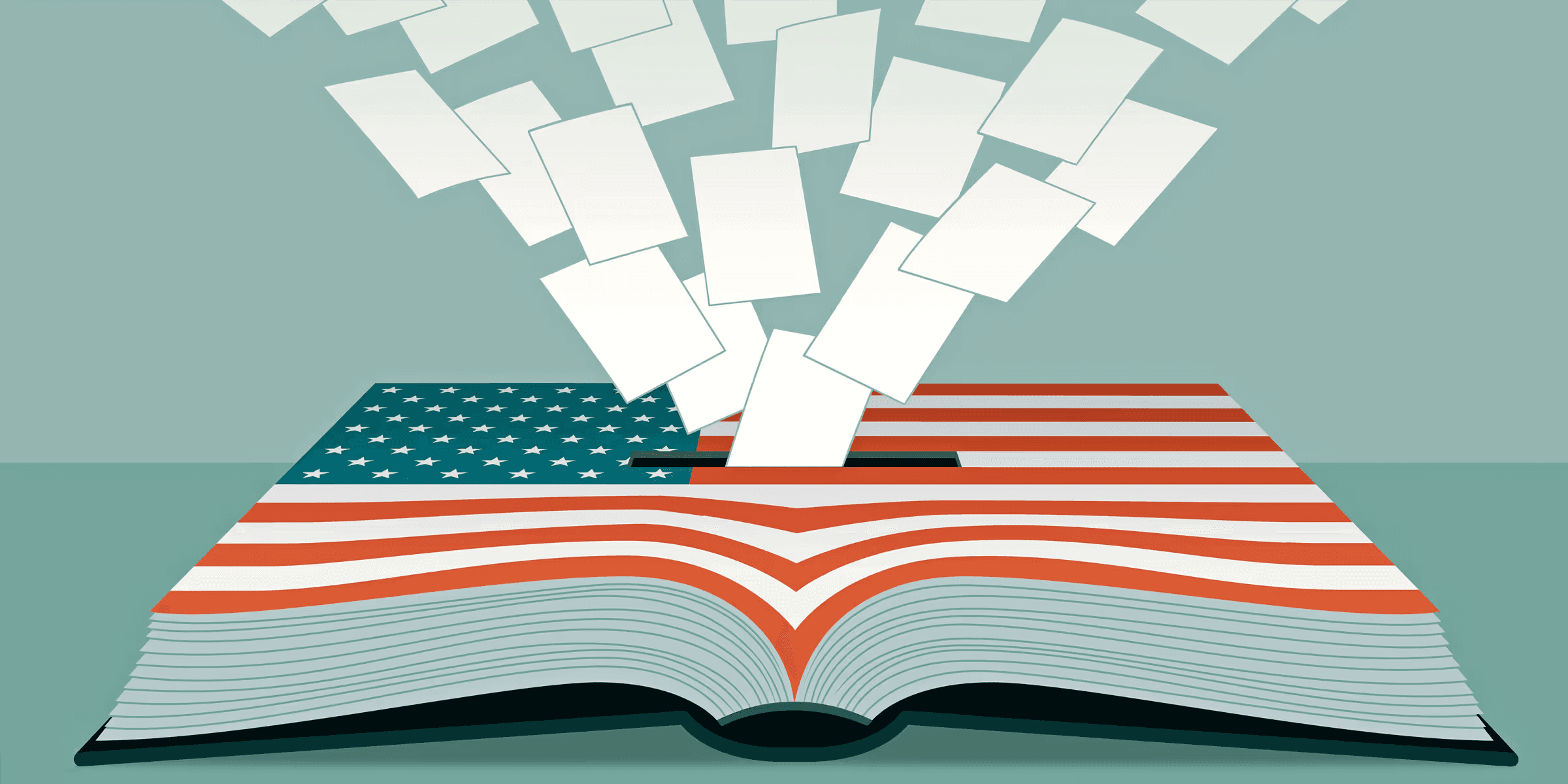
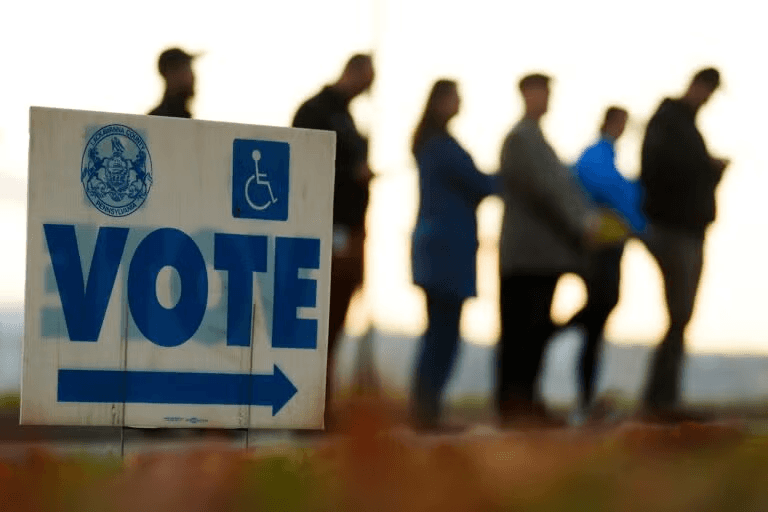
On the first Tuesday after the first Monday in November, democracy in the United States competes with calculus tests, double shifts, childcare pickups, and commutes that never seem to end. We like to say that voting is a civic duty, but we schedule it like an inconvenience. That contradiction is at the heart of why Election Day should be made a national holiday.
The current Tuesday election date made sense in 1845, when Congress standardized Election Day to accommodate a largely agrarian society. Farmers needed a day that didn’t interfere with Sunday worship, market days, or long travel by horse and carriage. Today, only about 11% of U.S. employment is agriculture-related, and yet we are still bound to a system designed for a 19th-century workforce.
The consequences show up clearly in participation. The United States consistently lags behind other developed democracies in voter turnout. According to the Pew Research Center, the U.S. ranks near the bottom among OECD countries, with about 64% turnout in the 2024 presidential election. Even though this is high by U.S. standards, it is still far behind countries like Sweden and Uruguay. One major reason Americans give for not voting is simple— they are too busy. In 2016, 14% of registered nonvoters cited work or schedule conflicts as the reason they didn’t cast a ballot.
Making Election Day a national holiday would not magically fix every barrier to voting, but it would remove one of the most basic ones: time. A holiday would ease pressure on parents, students, and workers who currently have to choose between a paycheck and a vote. It would also help reduce long lines at polling places by spreading voter turnout more evenly throughout the day, particularly in densely populated and historically marginalized communities where limited resources often lead to hours-long waits.
Beyond access, a holiday reframes voting itself. In many democracies, elections are treated as civic events rather than chores squeezed into a lunch break. Turning Election Day into a civic holiday would show that citizenship matters just as much as honoring past presidents or historic milestones.
Critics are right to point out that a federal holiday alone is not sufficient. Many low-wage and service workers do not receive paid holidays, and retail workers may even work more on holidays. But this is an argument for pairing a holiday with protections—such as guaranteed paid time off to vote—not for preserving a system that already excludes millions. The fact that Election Day is currently inaccessible to so many should be a reason to expand solutions, not abandon them.
Democracy depends not just on the right to vote, but on the realistic ability to exercise that right. We have amended the Constitution, passed landmark legislation like the Voting Rights Act, and expanded the franchise over centuries to include those once excluded. Making Election Day a national holiday is a logical continuation of that tradition. If we truly believe voting is the foundation of self-government, we should schedule it like it matters.