
Protection or Censorship? Inside the Implementation of Texas Senate Bill 13
by Ismah Akbar
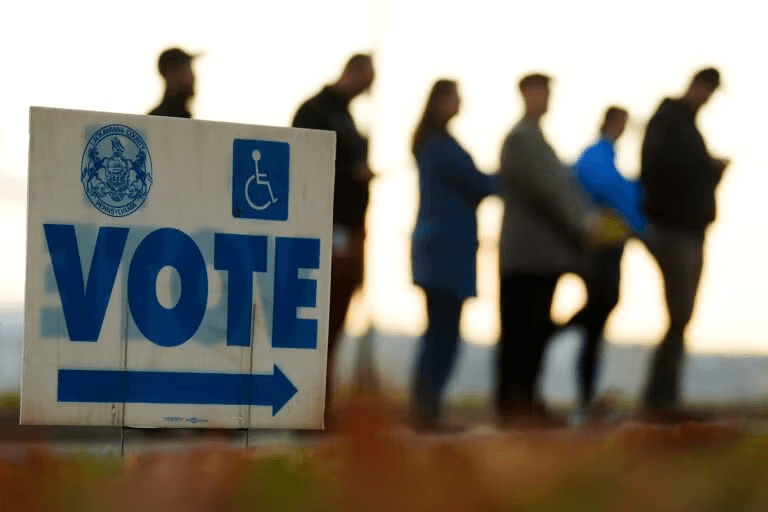
Since 2023, thousands of books have been restricted from Texas public school libraries, primarily due to Texas House Bill 900, and, later, Texas Senate Bill 13, (SB13), which was passed in 2025. New Braunfels ISD alone removed over 1,500 books, according to the San Antonio Observer. According to the Texas Education Agency, the law gives parents the ability to access their child’s library catalog and “control which library materials their student can access.”
SB13 has been scrutinized heavily by organizations such as the ACLU. However, proponents of the bill argue that obscene material, especially in educational institutions, is not as rigidly protected by the Constitution as other media. This debate raises a critical question for Texas communities: how do school districts determine what is classified as “patently offensive,” and is the term expanding to include broader social themes, rather than explicit content?
Signed into law in June 2025, SB13 requires that parents have access to their children’s library information, and can control what books their child can access. It also gives parent committees the ability to demand that certain books be removed from district libraries entirely. The bill also mandates that books containing “patently offensive content” be removed from public school libraries. Concerns over the bill’s constitutionality have been raised repeatedly, with both proponents and opponents of the bill citing legal precedent. The Supreme Court opinion in Tinker v. Des Moines ISD, a landmark case regarding student rights to free speech, explains that students do not “shed their constitutional rights to freedom of speech or expression at the schoolhouse gate.”
Alternatively, proponents of the legislation cite Board of Education v. Pico, which does not allow books to be removed from school libraries for ideological reasons, unless they are “pervasively vulgar” or lack “educational suitability.”
Parents and educators have been working to teach others and raise awareness about SB13 and its impacts. A parent-founded organization called the Texas Freedom to Read Project, or TXFRP, helps connect these parent-led groups and grow their impact.
Anne Russey, a co-founder of TXFRP, explained that their mission is to “protect our kids’ freedoms.” Russey went on to explain the balance between protecting children without censoring them. “As a parent, no one wants to protect my kids more than I do. But I don’t think they need protection from reading books that their certified, educated librarians put in their classroom. Through this project I’ve gotten the chance to talk to so many parents, and the general agreement is that kids need to be protected, but not from books. We want our kids to be safe at school, to have certified teachers, to be able to have lunch if they can’t afford it, but not to stop reading certain books.” Russey also said many banned books were removed “unnecessarily,” by “parents who don’t agree with the themes.”
Alternatively, many parents continue to support these laws. Adeela Bano, a parent with two children in Frisco ISD, said “[SB 13] is a great initiative. In this day and age, kids have access to a lot of information that they shouldn’t be exposed to, and it’s important to restrict how much they can consume.” Bano said that the bill is important for “protecting our kids from learning about things that their brains might not be able to process right now.” Bano argued that the law is in the best interest of both children and parents.
While the law specifically targets patently offensive material, data shows that many of the most banned books across both Texas and the United States contain little explicit content. Titles like A Clockwork Orange, a dystopian novel exploring themes like morality, and Sold, which covers child trafficking in South Asia, have been banned from 23 and 20 districts respectively, according to PEN America. Of the 11 Most Challenged Books in the American Library Association’s list, only two were banned solely because of explicit content. The rest deal with themes such as homophobia, racism, mental health, and childhood trauma. The most banned
titles include The Bluest Eye, Out of Darkness, and Lawn Boy, which share common themes that many parents believe are too heavy or difficult for younger children.
Bano says that many of these themes are “too mature for young kids and can be unhealthy if they aren’t old enough to process them.” Opponents of the legislation believe that exploring different themes can help their children develop important skills. Anne Russey says that mature themes in books can help her children improve their empathy. “Reading allows my kids to learn about and connect with a lot of different perspectives, and it actually opens the door for those difficult conversations, so I can make sure my kids understand what is happening. It helps my kids grow their empathy and understanding for other people.”
Jenna Baker, a former Frisco ISD English and Debate teacher, shares similar sentiments on the topic. Calling book bans “a form of control,” Baker believes they are “a way for people in power to take away pieces of freedom, not only by stifling the author, but by restricting audiences from receiving what could be impactful literature.” As she explained how to handle the nuance of the situation, Baker said, “If we shut down knowledge completely, we are creating an environment where young minds are easily controlled and rights are truly stripped.”
Both opponents and proponents of the legislation have similar desires. The desire to protect their children, and the desire to be involved in their child’s education. Supporters largely believe that the best way to do so is by limiting what information children have access to. Alternatively, opponents argue that children should be exposed to different perspectives to build their empathy.
The United States was founded on the belief that every person has unalienable rights to life, liberty, and the pursuit of happiness. It has been a long-standing conversation in America’s courts whether these rights apply to students as fully as they do to adults. Legal precedent from Tinker v. Des Moines ISD protects students’ rights, and Board of Education v. Pico ensures that
schools are unable to censor school libraries without valid reasoning. The censoring of school libraries is an act that organizations such as the ACLU strongly oppose. Caro Achar, an ACLU spokesperson, called SB13 “unnecessary, unconstitutional, and unworkable,” and parent-led initiatives such as the Texas Freedom to Read Project continue to push back against similar legislation. However, a significant number of parents are in support of SB13, claiming that these bans will help protect their children.
Indexes of banned books by organizations such as PEN America suggest that restricted titles share broader social themes, rather than simply containing explicit content. While many parents consider these topics necessary for children to understand, countless others believe young minds are unable to process mature themes. Ultimately, parents on both sides of the issue share the desire to protect their children and be involved in their education, though they differ significantly on the policy methods used to achieve these goals.